Uncategorized
DMT Facts: The Truth About DMT
Jan
DMT Facts: The Truth About DMT
DMT (N,N-Dimethyltryptamine) is one of the most talked-about psychedelic substances in the world, often surrounded by mystery, myths, and intense curiosity. In this guide on DMT Facts: The Truth About DMT, we take a clear, educational look at what DMT is, how it affects the brain, and the realities behind its reputation.
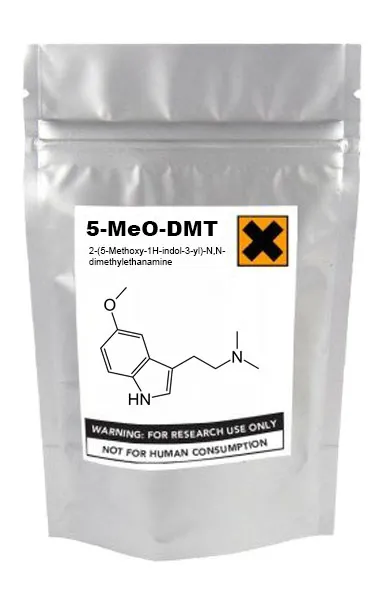
DMT is a naturally occurring compound found in certain plants and animals, and even in trace amounts in the human body. It belongs to the tryptamine family, which also includes serotonin—a neurotransmitter responsible for mood regulation. Because of this chemical similarity, DMT interacts strongly with serotonin receptors in the brain, producing powerful and often overwhelming psychological effects.
One of the most distinctive features of DMT is the intensity and short duration of its effects. When consumed, users often report rapid onset experiences that can last anywhere from 5 to 30 minutes, depending on the method of use. These experiences are often described as deeply immersive, involving vivid visuals, altered perception of time, and a sense of entering entirely different realities. Many individuals report encountering complex geometric patterns, intense colors, or even what they interpret as “entities” or alternate dimensions.
Despite its reputation for profound experiences, it’s important to understand that DMT is not without risks. The psychological impact can be extremely intense, especially for individuals who are unprepared or have underlying mental health conditions. Experiences can range from euphoric and enlightening to confusing or distressing. This unpredictability is one of the key truths about DMT that is often overlooked in casual discussions.
From a scientific perspective, researchers are increasingly interested in DMT and other psychedelics for their potential therapeutic applications. Early studies suggest that psychedelics may have benefits in controlled clinical settings, particularly for conditions such as depression, anxiety, and PTSD. However, it’s important to note that research is still ongoing, and these substances are not widely approved for medical use outside of regulated studies.
Another important aspect covered in DMT Facts: The Truth About DMT is legality. In many countries, including the United States and much of Europe, DMT is classified as a controlled substance, making its possession, sale, or use illegal. Laws vary by region, so it is essential to understand local regulations before making any decisions related to it.
Cultural context also plays a role in understanding DMT. Certain traditional practices, particularly in parts of South America, involve the use of ayahuasca—a brew that contains DMT along with other compounds that make it orally active. These ceremonies are often guided by experienced practitioners and are rooted in spiritual and cultural traditions. However, even in these contexts, safety, preparation, and environment are considered crucial.
One of the biggest misconceptions about DMT is that it automatically leads to positive or “life-changing” experiences. While some individuals report meaningful insights, others may experience fear, confusion, or emotional discomfort. The outcome often depends on factors such as mindset, environment, and individual psychological state.
In conclusion, DMT Facts: The Truth About DMT is not just about understanding the substance itself, but also recognizing the broader context—scientific, psychological, legal, and cultural. While DMT remains a subject of fascination and ongoing research, it is essential to approach it with accurate information, caution, and respect for its potential effects.
